Are Factory-Lubed Switches Good Enough to Skip Hand-Lubing?
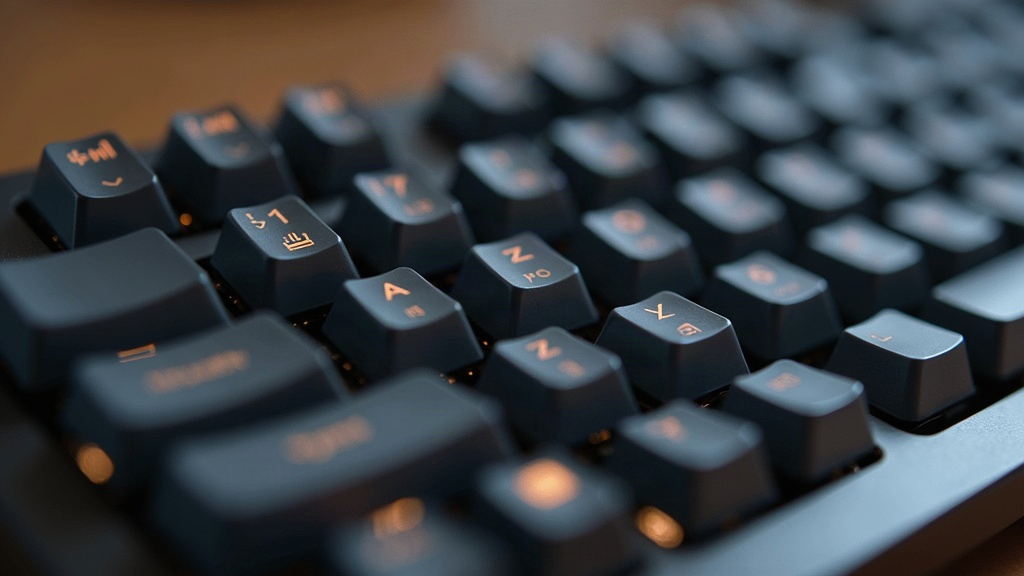
Factory-lubed switches have come a long way in just a few years. For most typists and gamers, they’re genuinely good enough now that hand-lubing is no longer a necessary step. That said, enthusiasts chasing a very specific “thocky” or “creamy” sound signature will still squeeze out measurably better, more consistent results by lubing switches themselves. The real question isn’t whether hand-lubing works better (it does, marginally), but whether that extra edge is worth the hours it takes.
Why Hand-Lubing Became the Gold Standard
Factory lube application used to be a coin flip. Switches shipped either drowning in lube (which killed spring ping but also flattened tactility) or barely touched by it (leaving scratchy, inconsistent keystrokes that felt like sandpaper on a downstroke). Enthusiasts picked up hand-lubing to fix three recurring headaches:
- Spring noise: that metallic ping and crunch from dry, unlubricated springs
- Stem wobble friction: a scratchy feeling you’d notice mid-keystroke, especially on the way down
- Inconsistent batches: buy a 100-pack and you’d find a handful of switches that just felt “off” compared to the rest
Hand-lubing with thin lubricants like Krytox 205g0 or 105g0, often paired with spring swaps and film additions, turned into a multi-hour ritual for anyone chasing the “perfect” board. Some builders spent entire weekends on a single 70-switch set.
What Changed With Modern Factory Switches
Manufacturers like Gateron, Akko, and Cherry have poured real money into automated lubing stations, and the precision shows. Gone are the days of spray-and-hope coating methods. A few things changed the game:
1. Pre-Lubed Springs as Standard
Switches like Gateron Oil Kings, Akko CS Radiant, and Cherry’s MX2A series now come with factory-lubed springs. That alone wipes out the most common complaint: audible ping.
2. Better Housing Tolerances
Tighter injection molding means less wobble baked into the switch from day one. Less structural looseness means lube doesn’t have to work as hard to mask it.
3. Dual-Stage Lubrication
A handful of premium factory switches now apply different lube viscosities to the stem legs versus the springs, basically replicating what enthusiasts have been doing by hand for years (205g0 on housings, 105g0 on springs).
Blind Test Results: What Users Actually Notice
Community blind tests and switch comparisons that circulated through keyboard forums in 2026 tell an interesting story. Most casual typists couldn’t reliably tell a factory-lubed premium switch (Gateron Oil King, Akko Piano) apart from a hand-lubed one, at least not by feel. Where differences showed up, they were almost entirely about sound, not touch:
- Hand-lubed switches tended to sound marginally deeper and more uniform
- Factory-lubed switches occasionally kept a faint upstroke scratch, barely noticeable unless you were listening for it
- Spring ping disappeared in both cases once modern pre-lubed springs were involved
When You Should Still Hand-Lube
For most people, skipping hand-lubing is the sensible call now. But there are still good reasons to pick up the brush and syringe:
- You’re building a dedicated sound-test or “thock” board, maybe for a YouTube video or a sound-test post
- You grabbed budget switches (under $0.20 a unit) that are still using older, cheaper lubing processes
- You want to add films on top of lube for a tighter, deeper sound profile
- You just enjoy the hobby side of it. For a lot of builders, lubing switches by hand at the kitchen table is half the fun, not a chore to avoid
Recommended Factory-Lubed Switches Worth Trying
- Gateron Oil King: smooth linear feel, pre-lubed springs, barely any scratch out of the bag
- Akko CS Radiant/Piano: consistent factory lube job, solid value for the price
- Cherry MX2A series: noticeably tighter tolerances and more uniform lube than older MX switches
- Durock POM switches: the housing material is self-lubricating, which cuts down on the need for added lube almost entirely
Conclusion
By 2026, factory lube jobs have closed most of the gap that used to justify hours spent hand-lubing every single switch. For everyday typing and gaming, a good premium factory-lubed switch performs smoothly and consistently right out of the box, no extra work required. Hand-lubing still has a small edge for enthusiasts obsessed with the deepest, most refined sound profile. But for everyone else? It’s perfectly fine to skip the Krytox and the brush and just start typing.