FR4 vs Polycarbonate Switch Plates: Best Choice for Tactile Switches
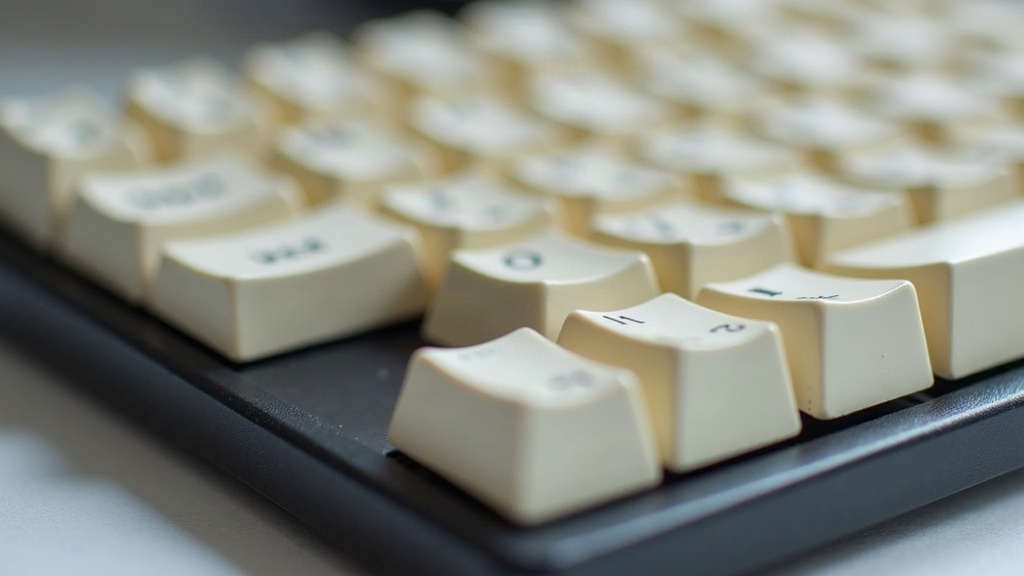
If you’re chasing the crispest, most satisfying tactile feedback from switches like Boba U4, Holy Pandas, or Zealios, the plate material you pick matters almost as much as the switch itself. FR4 plates give you a stiffer, more pronounced tactile bump with a sharper, higher-pitched sound. Polycarbonate plates flex more, softening that bump and producing a deeper, more muted tone. Neither one is “better” in some absolute sense. It really comes down to whether you’re chasing maximum tactility or a smoother, quieter typing experience.
Why Plate Material Affects Tactile Feel
A switch plate sits between your PCB and the switches, holding each housing rigidly in place. When you press a key, the plate isn’t just a passive bracket. It flexes, at a microscopic level, and that flex either amplifies or dampens the tactile bump you feel at your fingertip.
- Stiffer plates transmit more of the switch’s internal mechanical event straight to your finger, so bumps feel sharper and more defined.
- Softer, more flexible plates absorb some of that energy, cushioning the stroke and rounding sharp bumps into something smoother.
That’s why the exact same switch, say a Holy Panda, can feel noticeably different depending on whether it’s mounted in an FR4 or polycarbonate (PC) plate. Same switch, same lube job, same spring weight… and yet the typing feel can shift enough that people swear it’s “a different switch.”
FR4 Plates: Crisp and Snappy
FR4 (flame retardant fiberglass composite) is the same material used in PCBs, which is part of why it became the go-to choice for enthusiast boards in the first place.
Characteristics:
- Semi-rigid with slight flex (less than PC, more than aluminum)
- Produces a higher-pitched, “clackier” sound
- Preserves the full sharpness of a switch’s tactile bump
- Durable, resists cracking even after years of heavy use
Best for: typists who want maximum tactile definition, people who want to feel exactly where the bump starts and ends, and who enjoy a brighter acoustic signature. FR4 shows up a lot in thocky-but-tactile builds running Zealios V2 or T1 switches.
Polycarbonate Plates: Soft and Bouncy
Polycarbonate is a flexible plastic known for shock absorption and a forgiving feel underfoot, or under-finger, in this case.
Characteristics:
- Noticeably more flex than FR4
- Softer, deeper, more “poppy” or “marbly” sound profile
- Rounds off sharp tactile bumps, making switches feel smoother overall
- Eases finger fatigue on long typing sessions
Best for: users who find FR4 or aluminum plates a bit too harsh, or who want a cushioned, almost linear-ish feel even from a tactile switch. Polycarbonate is a favorite pairing for Holy Pandas, mostly because builders want to tame that notoriously sharp bump into something gentler.
Side-by-Side Comparison
| Factor | FR4 Plate | Polycarbonate Plate |
|---|---|---|
| Flex | Low-moderate | High |
| Tactile bump sharpness | Pronounced | Softened |
| Sound | Higher-pitched, crisp | Deeper, muted |
| Typing feel | Firm, precise | Cushioned, bouncy |
| Fatigue over long sessions | Slightly more | Less |
| Durability | Very high | High, slightly less rigid long-term |
Which Should You Choose?
Pick FR4 if:
- You want to feel every detail of a tactile bump
- You like a snappier, more energetic sound
- You’re running lighter tactile switches that could use extra feedback (Boba U4s, for example)
Pick Polycarbonate if:
- Sharp tactile switches leave your fingers tired after a while
- You want a quieter, deeper-toned board
- You’re pairing with naturally sharp switches (Holy Pandas, T1s) and want to mellow them out
Consider a hybrid approach: plenty of enthusiasts build two plates for the same board and swap depending on mood: FR4 for focused typing sessions, PC for gaming or casual use. It’s a small investment (one extra plate, maybe $15-30) for a lot of flexibility.
A Quick Tip on Testing
Not sure which one you’ll like? Order a plate sample pack, or borrow a tester kit from a group buy vendor, before committing to a full build. Tactile preference is deeply personal. Some typists love the “edge” of FR4, the way every bump feels like a little click of confirmation. Others find PC’s smoothness far more comfortable across an 8-hour workday, especially if they’re typing 60,000+ keystrokes a day.
Conclusion
Both FR4 and polycarbonate plates have a clear, measurable effect on how tactile switches feel and sound. FR4 sharpens and brightens things up, ideal if you want precise, in-your-face feedback. Polycarbonate softens and deepens the experience, better suited to comfort-focused or quieter builds. There’s no single “correct” answer here. The best plate material is whichever one matches your tactile preference, your acoustic taste, and how your hands hold up over a long day of typing.