How Summer Humidity Affects Switch Spring Ping and Brass Patina
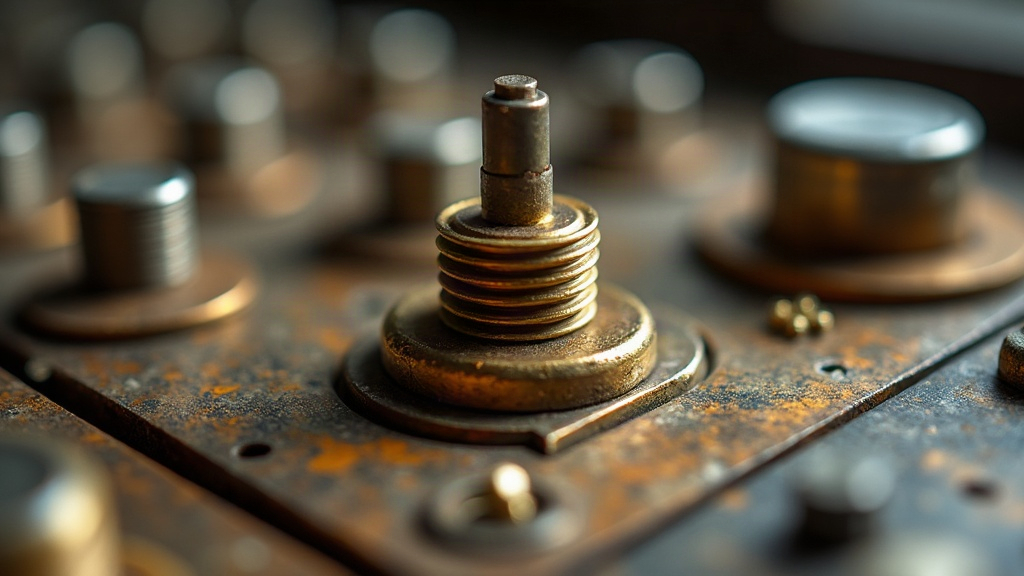
High summer humidity doesn’t just make your keyboard feel sticky to the touch. It actively changes how your switches sound and how your brass plate looks. Moisture in the air speeds up oxidation on exposed brass, creating that patchy patina look, while also messing with the acoustic signature of switch springs, often amplifying the metallic “ping” that so many enthusiasts spend hours trying to tune out. If your board suddenly sounds pingier or your plate has gone dull and spotty since the weather turned muggy, that’s not your imagination. It’s basic materials science at work.
Why Humidity Makes Spring Ping Worse
Spring ping is that high-pitched resonant sound a switch’s internal spring makes after you bottom out the keypress. A handful of humidity-related factors conspire to make it louder in summer:
- Moisture changes surface friction. A thin layer of condensation, or just elevated ambient moisture, sitting on spring coils reduces the natural damping you’d normally get from dry, slightly oxidized metal. Less friction, and the spring just rings longer and louder.
- Lubricant viscosity shifts with heat and humidity. Most switch lubes, Krytox 205g0 and 105 being the usual suspects, thin out a bit as temperature and humidity climb. That thinning cuts down on how well they damp the spring coils.
- Case and plate resonance changes. Humidity causes subtle expansion in plastic housings and foam dampeners, which alters how sound actually travels through the case. Pings can become more audible even when the spring itself hasn’t changed one bit.
- PCB and plate flex. Moisture absorption in FR4 PCBs or polycarbonate plates is small, sure, but it’s measurable, and it can shift how vibrations reach your ears.
Why Brass Plates Develop Patina in Summer
Brass is copper and zinc alloyed together, and both of those metals react with moisture and sulfur compounds floating around in the air. High humidity just cranks up the speed of that natural oxidation:
- Copper oxide formation is what gives you that brownish, uneven discoloration most people just call “patina.”
- Sweat and skin oils from hours of typing mix with humidity and accelerate localized tarnishing, especially around high-contact zones like the spacebar area or the plate edges.
- Fingerprint etching shows up more in summer because sweat carries salts and acids that react faster with brass once temperature and humidity both climb.
- Uneven patina patterns tend to form wherever airflow and moisture exposure vary across the plate, think near case vents or around the USB port.
How to Reduce Spring Ping Caused by Humidity
- Re-lube your springs with something slightly heavier (205g0 instead of 105, for instance) during the humid months. A thicker viscosity resists that summer thinning better.
- Add spring weight or switch to pre-lubed springs built for consistent damping no matter what the ambient moisture is doing.
- Use foam modifications (plate foam, case foam) that hold up in humidity, like closed-cell foams instead of open-cell ones that just soak up moisture like a sponge.
- Control your room environment with a dehumidifier if you live somewhere properly humid. Keeping relative humidity around 40-50% is the sweet spot for both acoustics and keeping your metal in good shape.
How to Manage or Prevent Brass Patina
- Clean regularly with a brass-safe polish, or a simple vinegar-and-salt paste, and dry it thoroughly right after.
- Apply a protective coating, a thin coat of renaissance wax or clear lacquer, if you want to lock in a specific look, whether that’s raw brass shine or a deliberately aged patina.
- Embrace it intentionally. Plenty of enthusiasts actually like the aged look and will deliberately push even patina development along using controlled oxidizers like liver of sulfur.
- Store boards in a dry case or toss in silica gel packets when you’re not using them daily, especially if you’re in a coastal or tropical climate.
Frequently Asked Questions
Does spring ping mean my switches are damaged? No. Spring ping is just a normal acoustic trait of unlubed or under-lubed springs. Humidity makes existing ping more noticeable, it doesn’t damage anything.
Will patina affect how my plate performs? Cosmetically, sure. Functionally, almost never. Patina is a surface-level oxide layer and won’t meaningfully weaken the brass structurally unless corrosion gets severe and goes unchecked for a long time.
Can I reverse patina once it forms? Yes, mechanical polishing or chemical brass cleaners will do it, though repeated cleaning cycles can slowly wear down the surface over time, so don’t go overboard.
Conclusion
Summer humidity is a quiet but genuinely powerful force acting on your mechanical keyboard. It thins out lubricants, changes how springs sound, and speeds up brass oxidation, sometimes enough that you notice a real difference within a few weeks of the season shifting. Understanding the “why” behind spring ping and patina gives you options: re-lube and dehumidify if you want that consistent, controlled sound, or just lean into the aging brass look if the patina aesthetic appeals to you. Either way, a bit of seasonal upkeep keeps your board sounding and looking exactly how you want, regardless of what the weather decides to do outside.