Gasket Mount vs Top Mount: Best Acoustic Profile for Heavy Typists
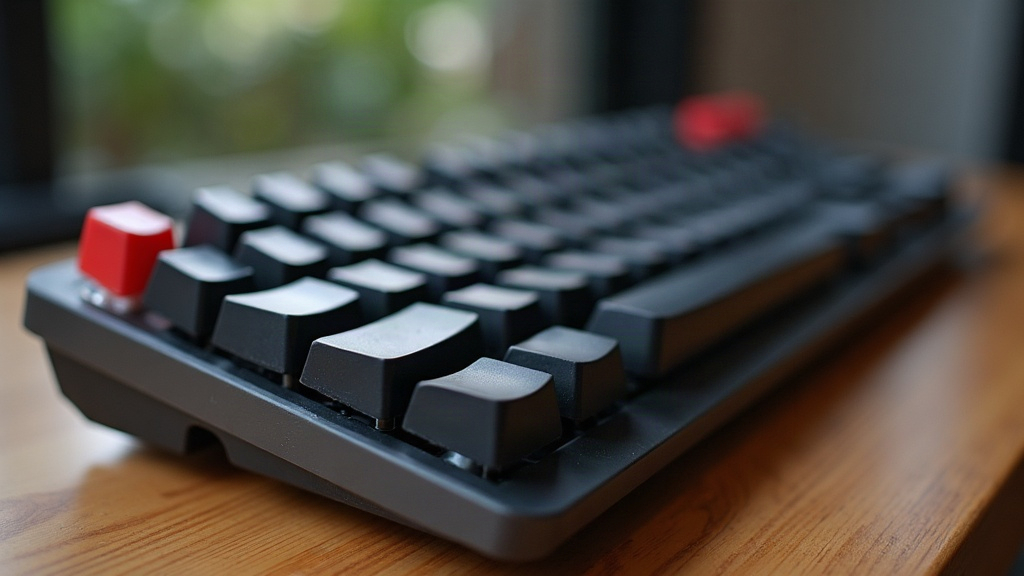
If you spend eight-plus hours a day hammering away at a keyboard, mounting style matters more than almost any other spec on the sheet. Gasket mount keyboards generally suit heavy typists better than top mount boards, mostly because of the softer bottom-out feedback, lower hand fatigue, and a deeper, more muted sound that doesn’t wear on you after hour three. Top mount boards go the other way: sharper, crisper, almost “clicky” in character, and plenty of fast typists swear by that firmer feel because it gives them precise feedback on every press. Really, the right pick comes down to what your hands (and ears) can tolerate by hour six, not what feels nice in the first five minutes at a store display.
What “Mounting Style” Actually Changes
The mount is just the structural method holding the plate, and by extension the switches, inside the case. Simple as that sounds, it shapes three things heavy typists notice fast:
- Flex and cushioning, meaning how much the plate gives when you bottom out
- Sound signature, the pitch, depth, and resonance of each keystroke
- Fatigue over time, basically how much shock travels into your fingers and wrists with every press
Top Mount: Precise, Crisp, Consistent
In a top mount design, the plate gets screwed directly into the top case at several points around its edge. That produces a rigid, predictable platform, nothing floats, nothing gives.
Acoustic profile: Sharp, higher-pitched, leaning “clacky” with noticeable high-frequency clicks on each keystroke. It’s consistent from edge to edge too, so the far corner key sounds basically the same as the home row.
Feel: Firm, direct, almost no give. Every keystroke lands the same whether you’re in the dead center of the board or reaching for a function key near the edge.
Best for heavy typists who:
- Want firm, unmistakable bottom-out feedback
- Type with a lighter touch and rarely slam the keys
- Care about consistent feel across the whole board, edges included
- Can’t stand anything that feels “mushy” or uneven
Downside for long sessions: With zero cushioning, the full impact of every keystroke goes straight into your fingertips. Multiply that by a few thousand keystrokes an hour and the fatigue adds up, particularly if you’re the type who bottoms out with real force.
Gasket Mount: Soft, Deep, Forgiving
Gasket mount takes a different approach entirely: instead of screwing the plate down, it suspends it on strips of elastomer or foam between the plate and the case. The plate essentially floats in place.
Acoustic profile: Deeper, rounder, closer to “thocky.” It’s a muted, bassier sound, and a lot of people find it genuinely easier on the ears during a long stretch of typing, especially in an open office where everyone can hear your keyboard whether they want to or not.
Feel: Clearly more cushioned on bottom-out. The plate flexes a touch with every press, soaking up shock before it ever reaches your fingers.
Best for heavy typists who:
- Bottom out often or just type with a heavier hand
- Deal with finger or wrist fatigue after a long day at the keys
- Want something quieter, less sharp-edged in sound
- Like a “cushioned” feel closer to a nicer laptop keyboard
Downside: Flex isn’t perfectly uniform, center keys often feel a bit softer than the corners, and some typists notice that and don’t love it. A badly tuned gasket mount can also end up feeling mushy or oddly wobbly, which isn’t ideal either.
Side-by-Side Comparison
| Factor | Top Mount | Gasket Mount |
|---|---|---|
| Sound | Crisp, sharp, clacky | Deep, muted, thocky |
| Feel | Firm, rigid | Cushioned, flexible |
| Consistency | Very uniform | Can vary by key position |
| Fatigue (long typing) | Higher if bottoming out hard | Generally lower |
| Noise for shared spaces | Louder, sharper | Quieter, rounder |
| Typo risk from feel confusion | Lower (predictable) | Slightly higher if too soft |
Which Should Heavy Typists Choose?
For most people putting in 4+ hours a day at the keyboard, writers, programmers, support reps, data entry folks, gasket mount tends to be the safer long-term bet. The cushioned landing cuts down on cumulative impact, and the quieter tone is simply less tiring on the ears across a marathon session. Think about an eight-hour shift: that’s a real difference by 4 p.m.
That said, if you’re a fast, light-fingered typist who needs firm tactile confirmation to dodge typos (pretty common among touch typists who don’t bottom out hard anyway), top mount’s crispness and consistency might actually cut your error rate and just feel more rewarding, keystroke after keystroke.
Quick Decision Guide
- Choose gasket mount if: you bottom out hard, work somewhere shared with others, or already notice wrist/finger fatigue.
- Choose top mount if: you type light, want maximum consistency, or just enjoy that sharper, clickier sound.
Conclusion
There’s no single right answer here. For heavy typists clocking long daily hours, gasket mount’s softer landing and deeper sound usually win out on comfort and day-to-day sustainability, while top mount stays the better call for anyone who wants firm, consistent, high-feedback keystrokes above all else. If you can, try both before committing to a full build, plenty of enthusiast boards now let you swap plates, and five minutes of hands-on testing will tell you more than any spec sheet ever could.